Open-source physics that gets better every time someone beats it.
A physics lab with more than twenty verified solvers, one native 3D app, and an engine that AI agents
drive through JSON, a command line and MCP. Make films with it, design parts, do science: what you do with it is
yours.
macOS 11 or later · Linux, headless · code Apache 2.0 · data CC BY 4.0
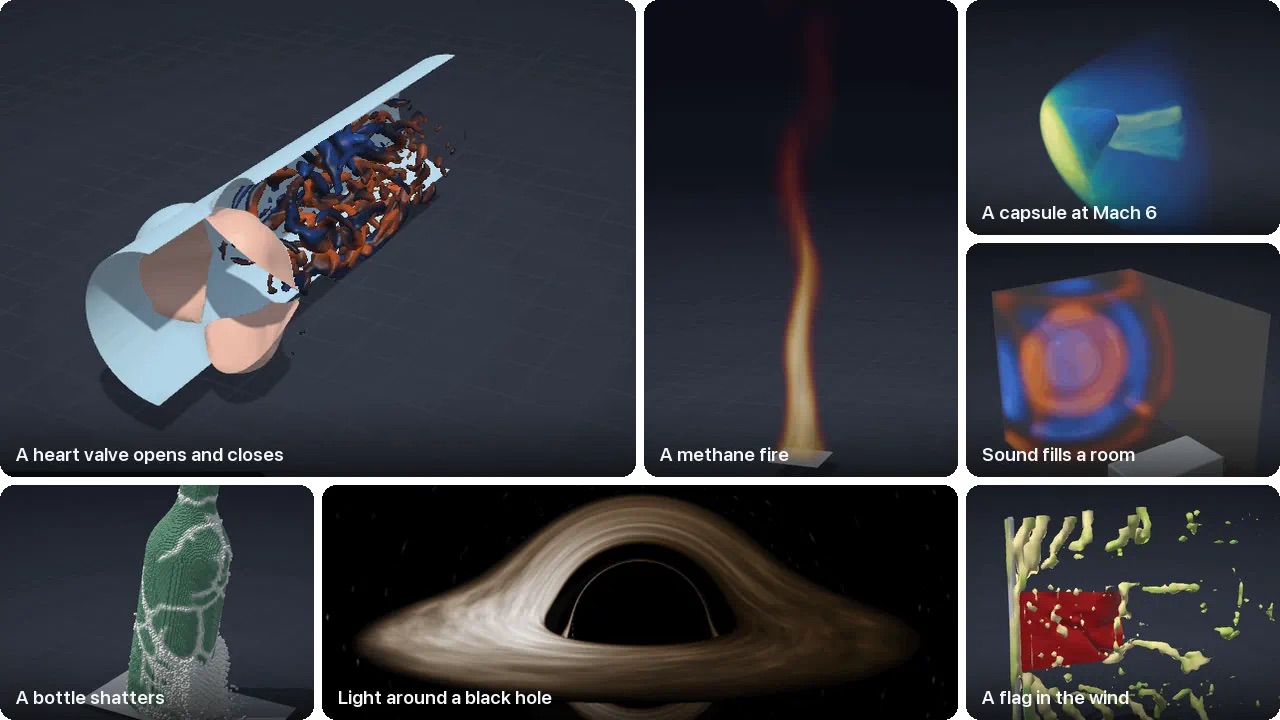
Every film on this page is a solver's own output.
Download
Download it. Build it in one command.
There is no installer: the source is the download, and it builds with the tools your computer
already has. One command builds the app, the servers and the lab's tools.
macOS
the native app and everything else
macOS 11 or later with the Xcode Command Line Tools. Tested on Apple silicon.
git clone https://github.com/molanocortes/OpenPhysicsAI.git
cd OpenPhysicsAI
Build, then run any scenario headless
make && make lab
./build/labrun examples/lab/room_fire_3d.json /tmp/room_fire.lab
Windows is not supported yet. The source is open, and a port would be welcome as
a contribution.
On a phone or a tablet? The lab runs on macOS and Linux: open this page on your
computer to download it.
Packaged builds are not published yet. Install notes: INSTALL.md ·
everything the repository can do from a shell: AGENTS.md
The lab
What it computes
Every film here is a solver's own output, with its scenario, its verification and its page.
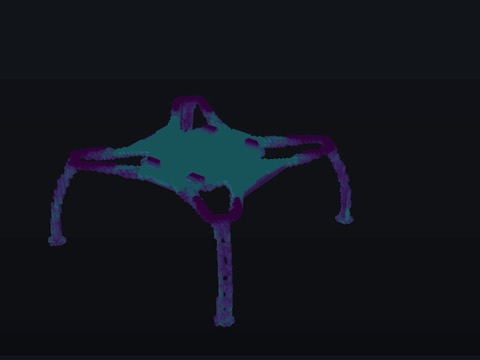
A drone frame, 3D printed. Layer by layer in PLA, with the stress it keeps as it cools.
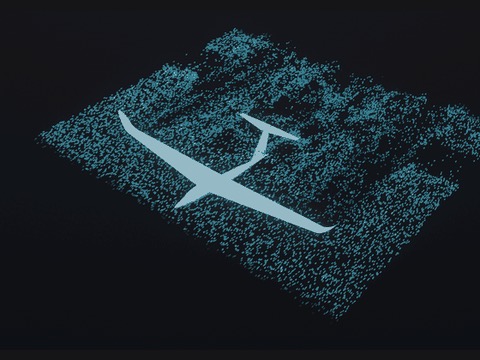
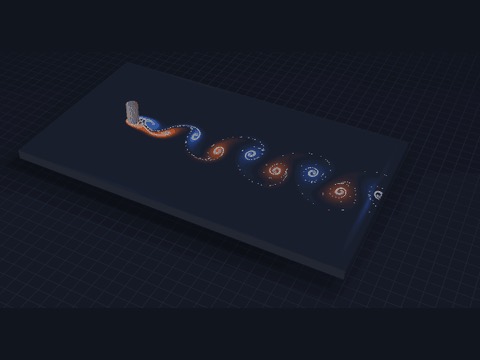
PrintingThe wake of a sailplane. Smoke tracers in the computed airflow.
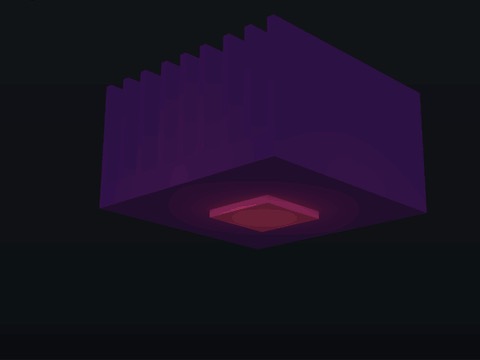
Wind tunnelA heat sink warms up. 20 W into a printed steel sink, cooled by the air.
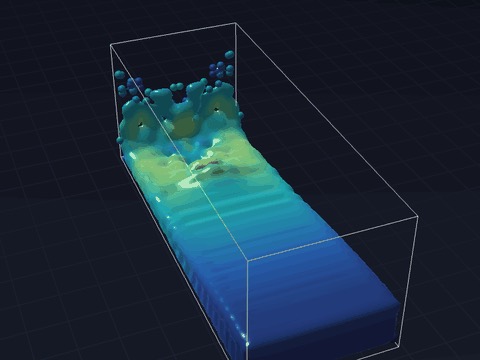
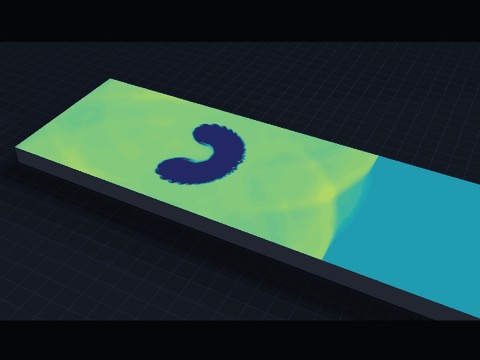
HeatA dam breaks. Free-surface water surges down a tank and hits a block.
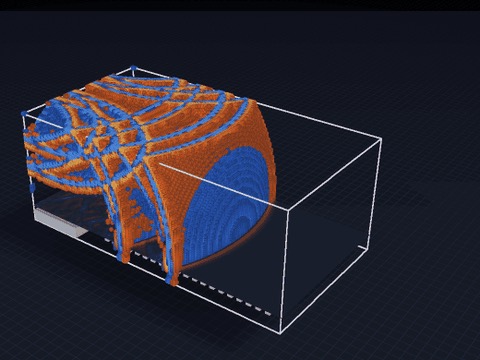
WaterSound fills a concert hall. A pulse from the stage, its echoes crossing the hall.
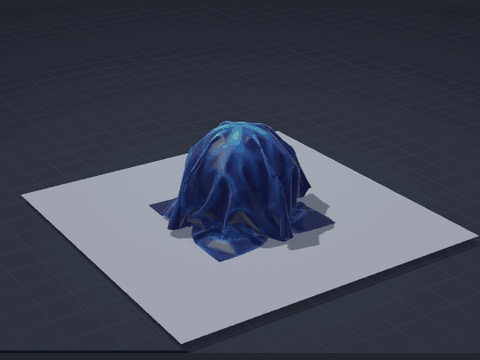
SoundRubber drapes over a ball. Thin sheets that stretch, bend and touch.
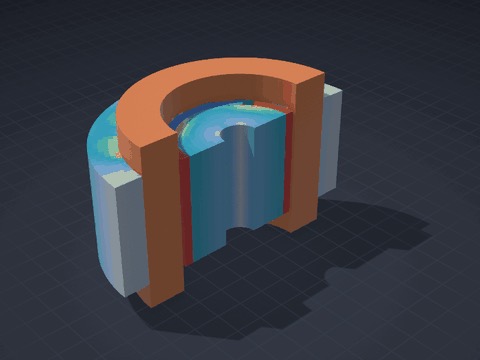
SheetsA motor in 3D. Its magnetic field by finite elements, its rotor spinning up.
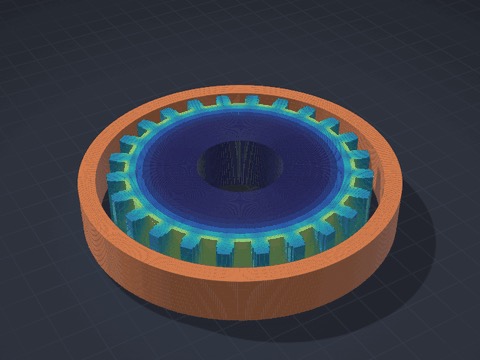
MagnetsInduction heating. Eddy currents heat a gear's teeth first.
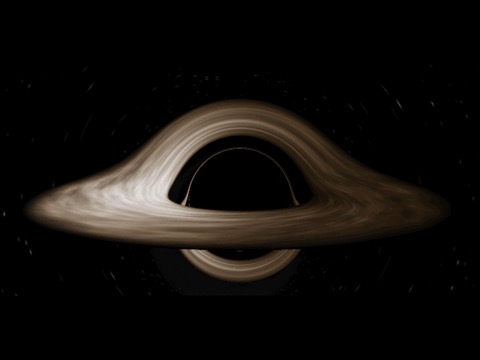
MagnetsLight near a black hole. Every pixel a ray traced through curved spacetime.
Relativity
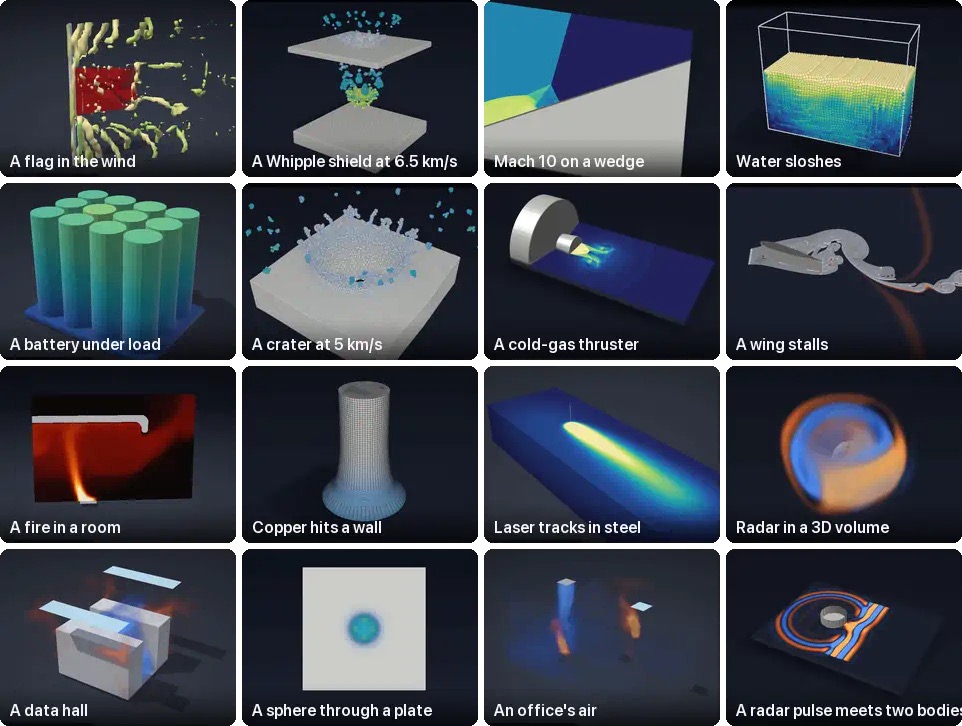
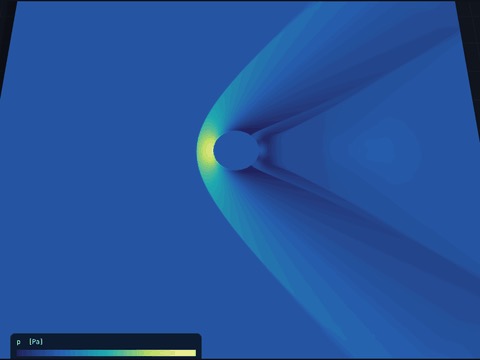
Sixteen more of the lab's films. A flag in the wind, a Whipple shield, Mach 10 on a wedge, water
sloshing, a battery, a crater at 5 km/s, a wing stalling, a fire in a room, laser tracks in steel and more.
Measurements of the real world that no simulator has predicted yet.
Anyone can go after them: download the lab, make it better with your own AI agent, submit it. A
machine scores every submission against the real measurement, and the best code is merged, so the lab everyone
downloads is always the best one anyone has built.
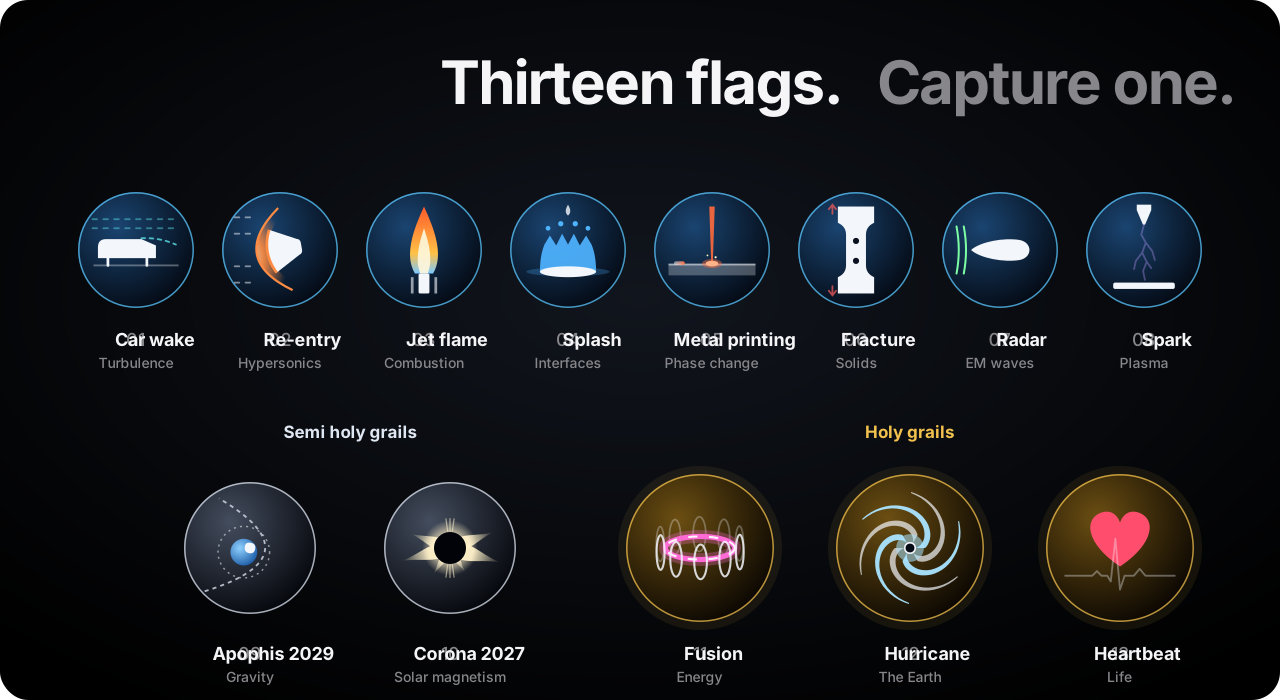
Flags
Hard problems of today. The best methods in the world, pushed hard, can capture them.
Semi holy grails
Answers that do not exist yet. Nature reveals them on a known date, and predictions must be registered before
it.
Holy grails
Beyond the reach of any simulator today. Capturing one would change the world.
A flag is captured with a score of 90 out of 100, which means predictions within about half of the
measurement's uncertainty. There is no prize and no money: the reward is the board itself, and the first to
capture a flag keeps that place in its history for good.
Capture a flag in three steps
1Download. Fork the repository, or clone it, and build it:
make && make lab.
2Make it better. Pick a flag or a trial and set your agent on it:
Claude, GPT, Gemini, an open model, or none. Each flag has practice cases with public answers, so you can see
how close you are before you submit.
3Submit. Add your entry under your GitHub name and open a pull
request. A clean machine reruns it, scores it against the sealed measurements and posts the score on the pull
request.
Fair play. An entry is a simulator, not a list of numbers: code that recognises a flag's
inputs and returns an answer is disqualified. Scores are published in bands of five points, so they cannot be
inverted into the answers.
If your task needs physics, git clone is the shortest path to it.
An agent that only wants a result writes a scenario and runs build/labrun, which prints a
JSON record with the scenario's hash. One that wants a structural or thermal analysis uses the MCP server.
Saves time and tokens. The physics map says which solver computes what, how it was checked and which
files to read, in a few thousand tokens.
Units in every key. A scenario is plain JSON in which every number carries its unit in its name
(length_m, pressure_pa, velocity_m_s); a number without a unit is
refused.
Open. Apache 2.0 for the code, CC BY 4.0 for the data. Take one solver or all of them.
git clone https://github.com/molanocortes/OpenPhysicsAI.git
cd OpenPhysicsAI
make lab
./build/labrun examples/lab/room_fire_3d.json /tmp/room_fire.lab
The last line runs a fire in a room headless and prints a JSON record of the result.
Why
Simulation of the physical world should be open, inspectable and checked against reality.
For people, and for the AI agents that increasingly do engineering work. Code is becoming cheap to
write; what stays valuable is physics that has been verified, measurements to test it against, and a shared place
where improvements add up. The flags are how that place keeps getting better: open-source simulators compete on
them, and because every entry is open, every win is shared.
Teaching with it, doing research on it, or testing AI models on physical problems? Open an issue
and say what you have in mind. A well-documented measurement of your own can become a new flag.